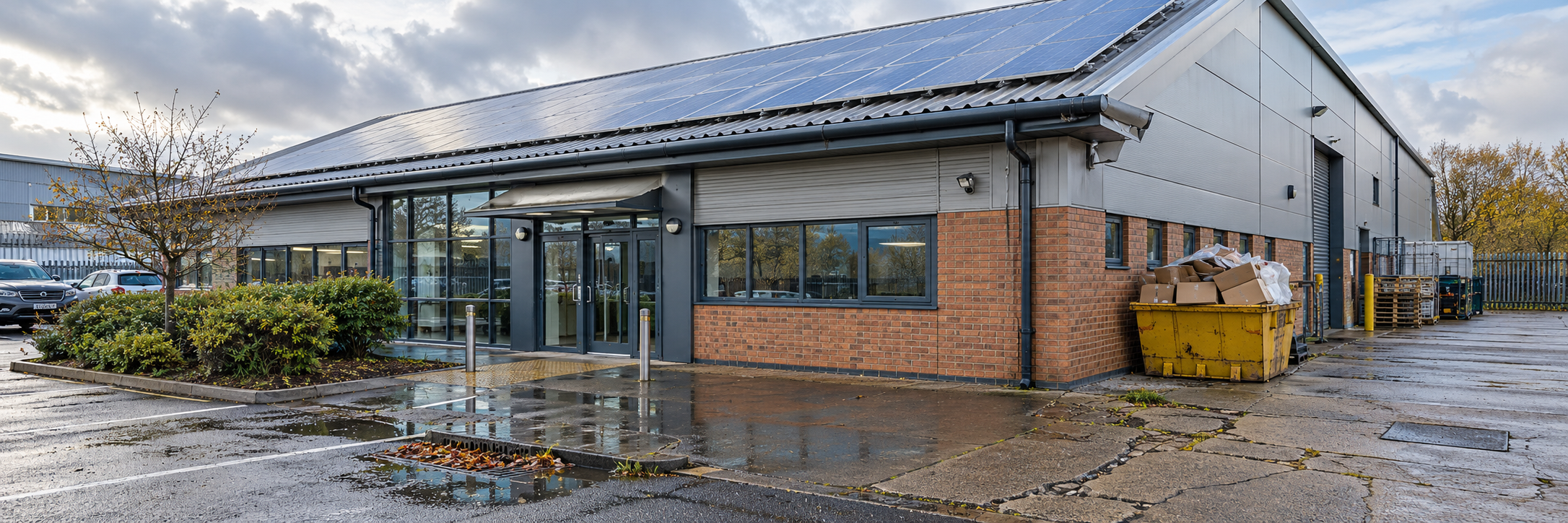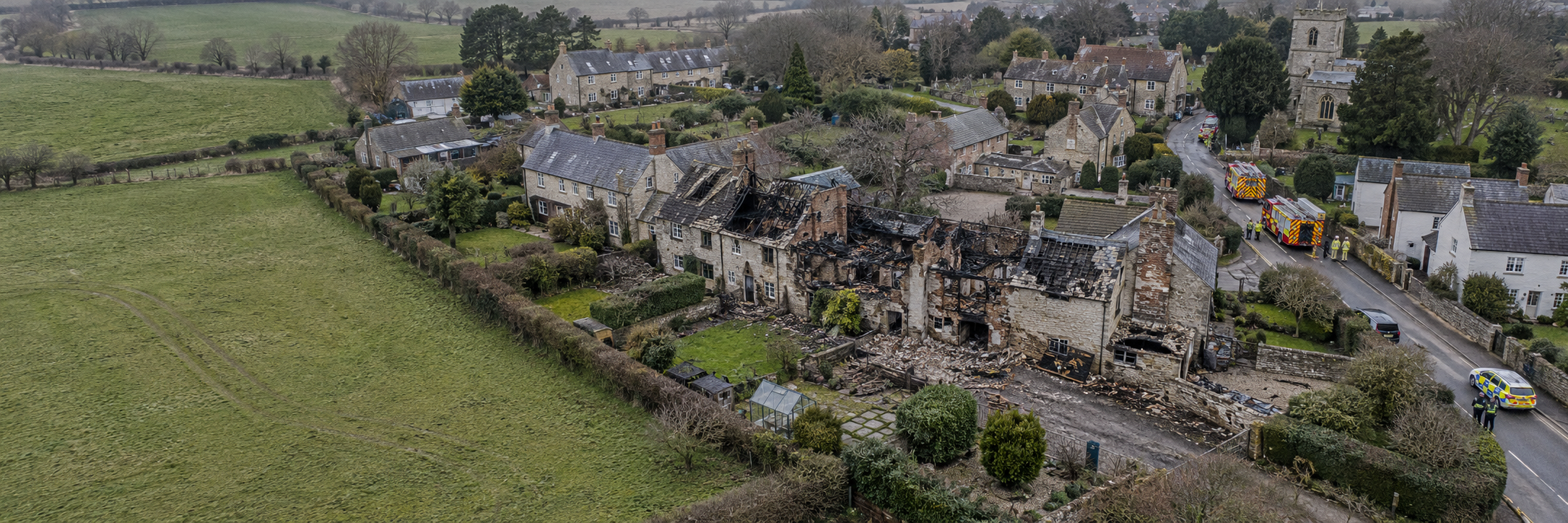
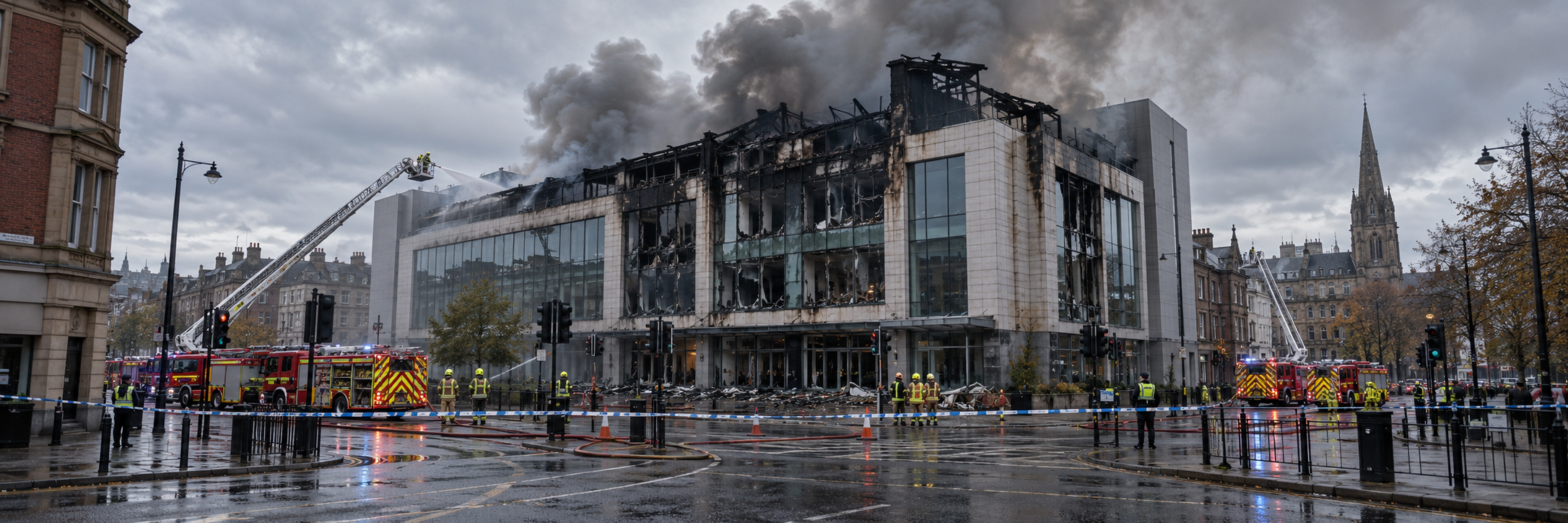
Catastrophe Response & Large-Loss Mapping
Insurance | Catastrophe Response & Large-Loss Mapping When disaster affects an entire area, every decision…
|
The Challenge Roof damage is not always visible from the ground.Following storms, fires or other incidents, roofing materials, flashings, gutters and elevated façade elements may be damaged in locations that are difficult to examine safely. Insurers and loss adjusters need clear records of accessible defects, including their position and extent, but conventional access can require ladders, scaffolding, platforms or specialist inspection teams. At the same time, existing deterioration and incident-related damage can appear similar in photographs. Establishing cause and significance requires appropriate professional assessment and supporting evidence. Drone inspections provide a way to document visible conditions before deciding where hands-on investigation or specialist testing is needed. |
Questions That Matter
Where is damage visible?
Document the location and appearance of affected roof and external building features.
Can close access be avoided initially?
Collect evidence from suitable stand-off positions before planning specialist access.
What is the wider roof condition?
Capture surrounding areas to help specialists assess the reported damage in context.
What requires further investigation?
Identify areas where physical examination, moisture testing or structural assessment may be needed. |
Insurance Inspection Applications
Targeted drone inspections can document accessible visible conditions across a range of residential, commercial and industrial properties.
|
01 / Storm Damage
Tiles, Slates & Roof CoveringsDocument missing, displaced, fractured or visibly deteriorated roofing materials following reported storm or accidental damage. |
02 / Flat Roofs
Flat Roof Membranes & DrainageCapture accessible visible membrane deterioration, ponding, damaged roof details and drainage obstructions requiring further examination. |
|
03 / Roof Details
Chimneys, Flashings & Roof JunctionsObtain detailed imagery of accessible chimneys, ridge lines, valleys, flashing details and roof penetrations. |
04 / External Walls
Façades, Cladding & External FeaturesDocument accessible exterior deterioration, displaced cladding, damaged fixtures and other visible conditions relevant to a building claim. |
|
05 / Commercial Property
Large Industrial & Commercial RoofsCollect systematic imagery across extensive roofing areas, rooflights, parapets, plant zones and associated external features. |
06 / Water-Related Claims
Potential Water-Ingress PathwaysRecord visible external defects and drainage conditions for correlation with interior findings by competent building specialists. |
|
07 / Condition Evidence
Pre-Repair & Post-Repair RecordsCreate dated visual records before and after repair works, subject to consistent coverage and appropriate permissions. |
08 / Spatial Documentation
Roof Mapping & 3D Building ModelsWhere suitable, process overlapping imagery into mapped roof records and three-dimensional models for specialist review and planning. |
From Inspection to Usable Evidence
The value of a roof inspection lies in collecting appropriate detail with enough context for loss adjusters, surveyors and appointed specialists to use.
|
01. Scope & Plan Agree the property, reported incident, areas of concern, site restrictions and required visual evidence. |
02. Capture & Document Collect overview imagery and targeted close-detail photographs using suitable imaging equipment. |
03. Review & Deliver Organise inspection images and observations to support further professional assessment and repair planning. |
|
Technology in Action
High-resolution detail, without relying on direct roof access.
|
Inspection Technology Explained
High-Resolution Inspection
Document visible damage and roofing construction details.
Optical Zoom
Capture detailed views from controlled stand-off positions.
Oblique Imagery
View roof pitches, façades and elevated features from useful angles.
Photogrammetry
Create suitable mapped imagery and three-dimensional building records.
Thermal Imaging
Identify surface temperature anomalies for specialist investigation. |
Practical Inspection Deliverables
Well-organised roof and building inspection data should provide both an overview of the property and sufficient detail of the accessible areas of concern.
|
01 / Overview
Roof & Property ImageryHigh-resolution photographs showing roof configuration, accessible visible damage and surrounding features. |
02 / Detail
Targeted Defect PhotographyClose-detail imagery of reported defects, roof junctions, damaged materials and features requiring professional review. |
03 / Spatial Context
Mapping & 3D RecordsWhere appropriate, mapped imagery or 3D models provide additional spatial context for surveyors, adjusters and contractors. |
Evidence quality matters:
Image resolution, lighting, inspection angles and accurate identification of the affected property are important. Measurements should only be relied upon when collected and validated using an appropriate survey method.
Why It Matters
Professional drone inspection can support more efficient evidence collection while helping insurers and property professionals plan subsequent examinations.
Reduce Work at HeightSome initial visual inspections can be completed without placing personnel on potentially damaged roofing surfaces. |
Support Targeted Follow-UpDocumented observations help specialists identify where ladders, scaffolding, intrusive investigation or repair work is justified. |
Improve Claims CommunicationClear records can support discussions between insurers, loss adjusters, building professionals, contractors and policyholders. |
|
Start with the property, the reported damage and the evidence needed.
|
Planning Considerations
What should insurers and loss adjusters consider?
|
Whatever you need drones to do, there are three ways to work with Iprosurv.
Our pilots carry out the survey or inspection and deliver the data and reports you need.
Accredited courses that give you and your team the skills to fly safely and legally.
The drones, sensors and software to run your own operations, with expert advice.
Tell us what you are trying to achieve and we will recommend the right service, training or equipment.