Case Study Drone Mapping Reveals Seed Drill Faults
2.14 acres Area identified for closer assessment DJI Mavic 3M Multispectral Aircraft used to capture…
The challenge
Gantry cranes are used to lift heavy motors and pumps inside buildings, and to move equipment above aeration tanks at wastewater treatment works. Inspecting these structures can involve working at height, difficult access and the use of scaffolding or elevated platforms.
When a crane is out of commission for inspection, its workload may need to be transferred to other assets. That can put extra pressure on equipment elsewhere in the operation. Thames Water needed an inspection approach that could reduce work at height, avoid unnecessary downtime and provide useful data quickly.
Case at a glance
Client: Thames Water
Assets: Internal and external gantry cranes
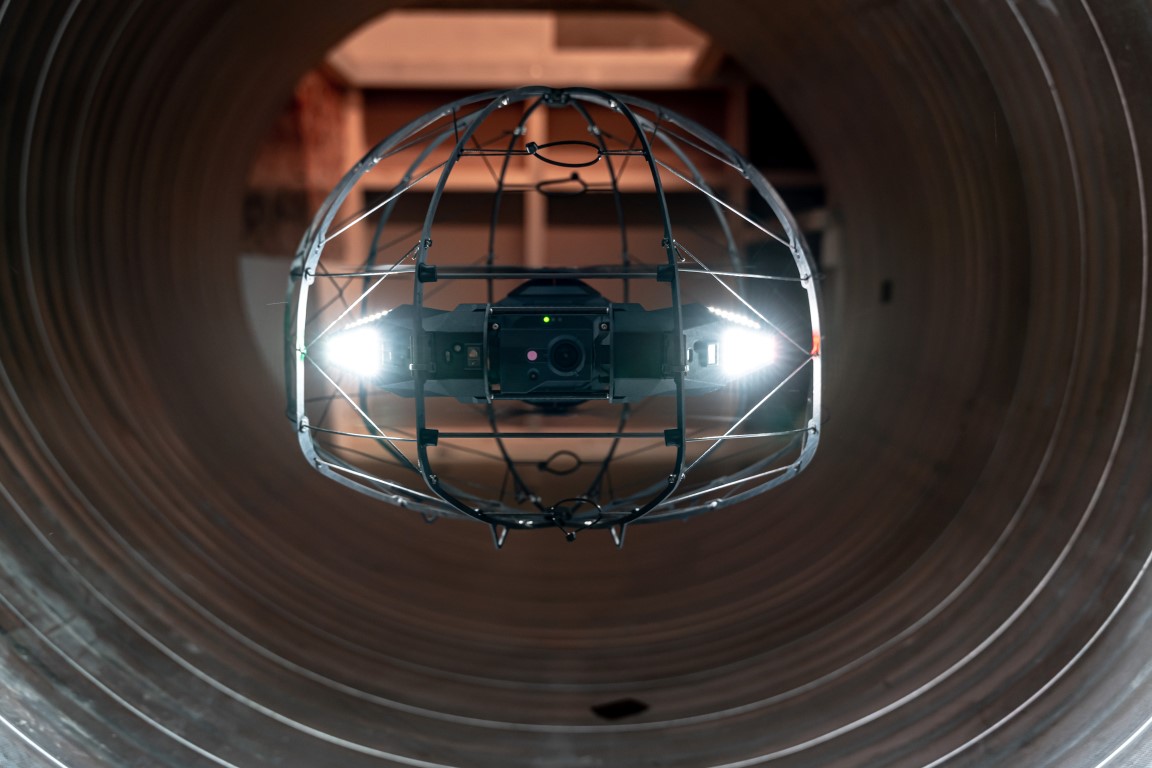
Internal platform: Flybotix ASIO X
External platform: DJI Matrice 4E
Application: LOLER inspection programme support
Data turnaround: Within 24 hours
The approach
Iprosurv uses different drone platforms to inspect gantry cranes in different environments. The Flybotix ASIO X is used for internal inspections, while the DJI Matrice 4E is used for external gantry cranes above aeration tanks. The inspection data is then delivered for review within 24 hours.
Identify the crane, its environment and the components or witness marks that need to be reviewed.
Deploy the Flybotix ASIO X for internal gantries and the DJI Matrice 4E for external cranes above aeration tanks.
Provide visual information for review within 24 hours, helping teams assess the asset and plan any follow-up.
The result
Drone inspections allow Iprosurv to capture visual data from internal and external gantry cranes without requiring the asset to be taken out of commission for the inspection method. The data can be delivered within 24 hours, giving the team a timely record to review.
Reducing the need for access equipment and work at height can also help limit disruption to the inspection process. Keeping an asset available avoids transferring its workload to other equipment solely to make access possible for a drone survey.
What the approach supports
Why it matters
When a crane is unavailable, work may need to be redirected to other assets. Drone surveys can provide timely visual information without requiring the same access arrangements, helping maintenance teams review condition and plan follow-up work with less disruption.
For LOLER, drone inspections can support condition monitoring and an agreed inspection programme. They do not remove the need for a competent person to carry out thorough examinations where required by the equipment’s examination scheme or statutory intervals.
Start with the asset
Tell us about your lifting equipment, site conditions and inspection requirements. We’ll help you assess whether drone inspection could support your maintenance programme.