Drone skills & business

You have the drone. Are you ready to advise the client?

Whether you have just bought your first drone or already fly for clients, learn how to uncover the real problem, agree expectations and choose a workflow that delivers useful results.

Iprosurv Insights Approx. 6-minute read
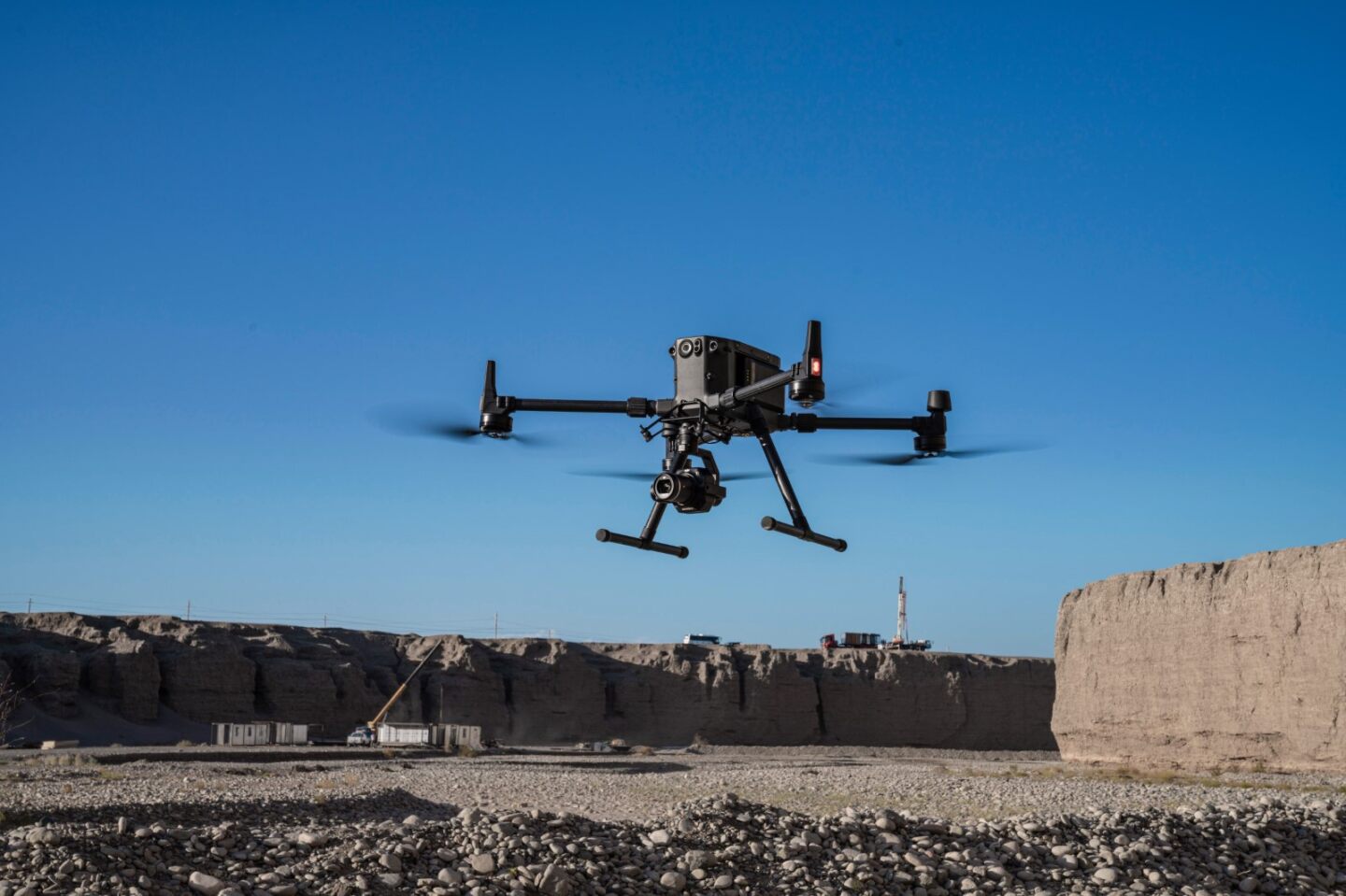
Drone carrying a camera above a quarry site

Start with the outcome

Your client wants the hole.
Not the drill bit.

The drone is the tool. Your value is knowing how to use it to solve the right problem.

Think about buying a drill bit. The outcome you want is a hole in the right place, to the right size and suitable for the job. You choose the bit because you expect it to get you there efficiently and at an acceptable cost.

Apply that thinking when a client asks for a drone survey. They might need to understand a roof's condition, compare construction progress or measure a stockpile. The aircraft is one part of the solution. The information they can use is what gives the work its value.

A client may ask for photographs or a 3D model without knowing which output will answer their question. They know the difficulty they are facing, but may need your help to define the requirement. That is where your role as an adviser begins.

Whether you are planning your first paid project or developing an existing service, resist starting with your drone's specifications. Ask what the client needs to achieve. Then use your knowledge of aircraft, sensors, capture, software and delivery to recommend an appropriate approach.

Before you quote for a flight, understand what a successful result would look like to the person paying for it.

Uncover the real problem

Ask what the client needs to know and what they will do with the answer.

Agree what success means

Define the output, required accuracy and how the result will be checked.

Recommend the right approach

Match the equipment, skills and workflow to the agreed requirement.

Understand the client

Are you advising the client, or simply taking the order?

A request tells you what the client thinks they need. A conversation helps you understand what they need to achieve. Your first job is to connect the two.

“We need a
drone survey.”
Start the conversation.

Imagine a client asking for aerial photographs of a warehouse roof. Before discussing flight time or camera resolution, ask why they need the images.

They explain that water is entering the building and they want to help their roofing contractor plan a closer inspection. That answer changes the brief: the priority becomes relevant detail, clear locations and a usable handover.

Find the purpose

“What will you do with the results?”

Ask what prompted the request and which decision the information must support. Does the client need an overview, evidence for a specialist to review or measurements? In our roof example, useful images could help direct further investigation. Establish whether diagnosing the cause is also expected, and whether that requires a suitably qualified specialist.

Identify the user

“Who needs to understand the answer?”

The person booking the work may not be the person using it. A facilities manager might need a short summary, while the roofing contractor needs detailed images linked to identifiable roof areas. Ask to involve the eventual user before agreeing the format. A technically impressive deliverable has little value if they cannot open it or locate the relevant information.

Make expectations explicit

“What would make this useful to you?”

Discuss coverage, detail, any measurements, delivery date and budget. Ask what they expect you to explain as well as supply. Be clear about what the proposed work can establish and what may need another inspection or specialist input. Resolve those differences before they become disappointment at the handover.

Play the brief back.

“You need located roof images so your contractor can plan a closer inspection, rather than a measured roof model. Have I understood that correctly?” Summarise the purpose, intended user and proposed output in plain language, then ask the client to confirm or correct your understanding before you quote.

Agree the requirement

“As accurate as possible” is not a finished brief.

A client may ask for the highest detail and the best accuracy without knowing what either will add to the job. Your role is to explain the choices, their cost and what is needed for the intended use. Agree a requirement you can both understand and check.

01 / THE DELIVERABLE

What are you actually supplying?

“A drone survey” describes very little about the handover. Agree whether the client needs located inspection photographs, a progress comparison, a measurable model or a map that works with their existing information.

Define the area, required detail, file format and delivery date. Returning to our warehouse example, agree how roof locations will be identified and whether annotations are required. Sending a folder of photographs is a different service from providing a structured inspection record.

Could the client describe what they will receive?

02 / THE ACCURACY

Accurate enough for which decision?

Relative accuracy concerns measurements within a model. Absolute accuracy concerns how closely its positions match the real world in a defined coordinate reference system. A model can be internally consistent yet sit in the wrong place.

These are different properties, not competing quality levels. “Survey grade” still needs a specification: agree the required horizontal and vertical accuracy, reference system and checks with someone competent to define them. A sharp image or small pixel size is not proof of measurement accuracy.

What level of error would make the result unsuitable?

03 / THE EVIDENCE

How will you demonstrate it?

For an image record, checks might cover agreed viewpoints, visible detail and location references. For measured work, plan independent checks appropriate to the specification. Checkpoints are surveyed points kept out of the model adjustment so they can test the resulting positions.

RTK positioning can support the workflow, but it does not remove the need to validate the delivered result. Explain the resources and time needed for the agreed checks before pricing the work. If the budget does not fit, discuss scope and expectations before accepting the job.

What evidence will show that the requirement has been met?

Accuracy costs.
Specify it with purpose.

Explain what additional accuracy will enable the client to do, and the work needed to establish it. If cost is a constraint, revisit the intended use together. Any revised specification must still be suitable for that use, clearly recorded and agreed before capture.

Recommend the right solution

Recommend what the job needs.
Know what you can deliver.

Owning a drone gives you a starting point. It does not mean every brief suits your equipment or experience. Work backwards from the agreed result: which sensor, capture method, positioning, software and checks will the task require?

A £1,000 consumer drone may suit some assignments, but do not assume it can support the same workflow as a purpose-built survey aircraft. Equally, buying an enterprise drone does not establish the accuracy of your finished work. Match the complete method to the requirement and verify the result.

If you lack an essential capability, build it through training, hire suitable equipment or involve an experienced partner. Be clear with the client about who is doing what. Agree that approach before promising the deliverable.

Could you explain why this method is appropriate, and show how you know?

Turn experience into useful advice

Show the client what the answer could look like.

Explain the benefit before the terminology.

A client may never have used a 3D model, digital terrain model, digital surface model or volume report. Show a relevant example and explain what it lets them inspect, compare or measure. Then check whether that would answer their question. An unfamiliar technical term should start an explanation, not end the conversation.

Build a portfolio you can explain.

Use projects you have genuinely worked on and have permission to share. Know the brief, your contribution, the equipment, capture decisions, processing, checks and limitations. Explain how the output was used and what you would improve. If someone else processed or checked the data, say so. Your credibility comes from understanding the work, not simply displaying an impressive model.

New to this? Start with honest practice.

Build small practice projects and label them as demonstrations. Work through capture, processing and checking, then practise explaining the result. Downloaded datasets can help you learn software, but they do not demonstrate your own capture experience. Identify their source and understand their limitations before using them in a client discussion.

Your reputation depends on the explanation.

If a client asks how a result was produced, what was checked or where its limitations lie, an attractive screen cannot answer for you. Use examples you understand, represent your experience honestly and promise work you have a sound basis to deliver.

Put it into practice

Before you quote, answer these six questions.

Use these prompts in your next client conversation. If you are just starting out, apply them to a practice project first. Write the answers down and resolve the gaps before committing to a price or a promised result.

  1. What problem are we solving?

    Describe the decision the work must support. Replace “the client wants a drone survey” with a specific reason for collecting the information.

  2. Who will use the result?

    Identify the eventual user and confirm how they will review it. Ask about their software, preferred format and any existing information it must work with.

  3. What does success look like?

    Record the coverage, detail and any measurement requirements. Agree how you will check the output and which limitations the client needs to understand.

  4. Can we deliver it?

    Review the equipment, skills, processing and checks required. Identify any training, hired equipment or specialist support needed before accepting the brief.

  5. What are the practical constraints?

    Discuss budget, access and deadlines. Explain any dependencies that affect delivery, such as suitable capture conditions or the availability of specialist input.

  6. Have we agreed the same thing?

    Send a plain-language summary of the scope, deliverables, checks, exclusions, price and timescale. Ask the client to confirm it and agree how changes will be handled.

Complete this sentence before your next quote.

“The client needs to know [answer] so that [person or team] can [make a decision]. We will supply [output] and check it against [agreed requirement].”

If you cannot complete it clearly, continue the conversation. That is the work of an adviser.

Continue your development

You have the drone. Build the knowledge behind it.

You do not have to master every application at once. Choose the work you want to do, identify the gaps in your skills and build from there. Iprosurv can help you find a training route or discuss support for a specific project.

Just getting started?

Develop your flying skills and explore qualification training around your aircraft and intended operations. Tell us what you want to achieve so we can help you choose an appropriate starting point.

Explore drone training

Ready to explore mapping?

Develop your understanding of planned data capture and photogrammetry. Explore our Advanced Flying and Mapping Techniques course as a next step towards understanding maps, models and practical data workflows.

Explore flying and mapping training

Have a project in mind?

Bring us the problem you need to solve. Discuss application training, equipment choices or specialist support, and identify the capability needed before committing to the work.

Discuss your requirements

Tell us what you want to deliver.

Whether you are taking your first steps or developing a service for clients, start with a conversation about your goals, experience and equipment. Our team supports individuals and organisations across the UK and Europe.

See the approach in practice.

Explore Iprosurv case studies showing how drone capture and data outputs have supported different operational needs.

Explore our case studies

Take the technical reading further.

Read more about defining survey requirements, accuracy and deliverables.

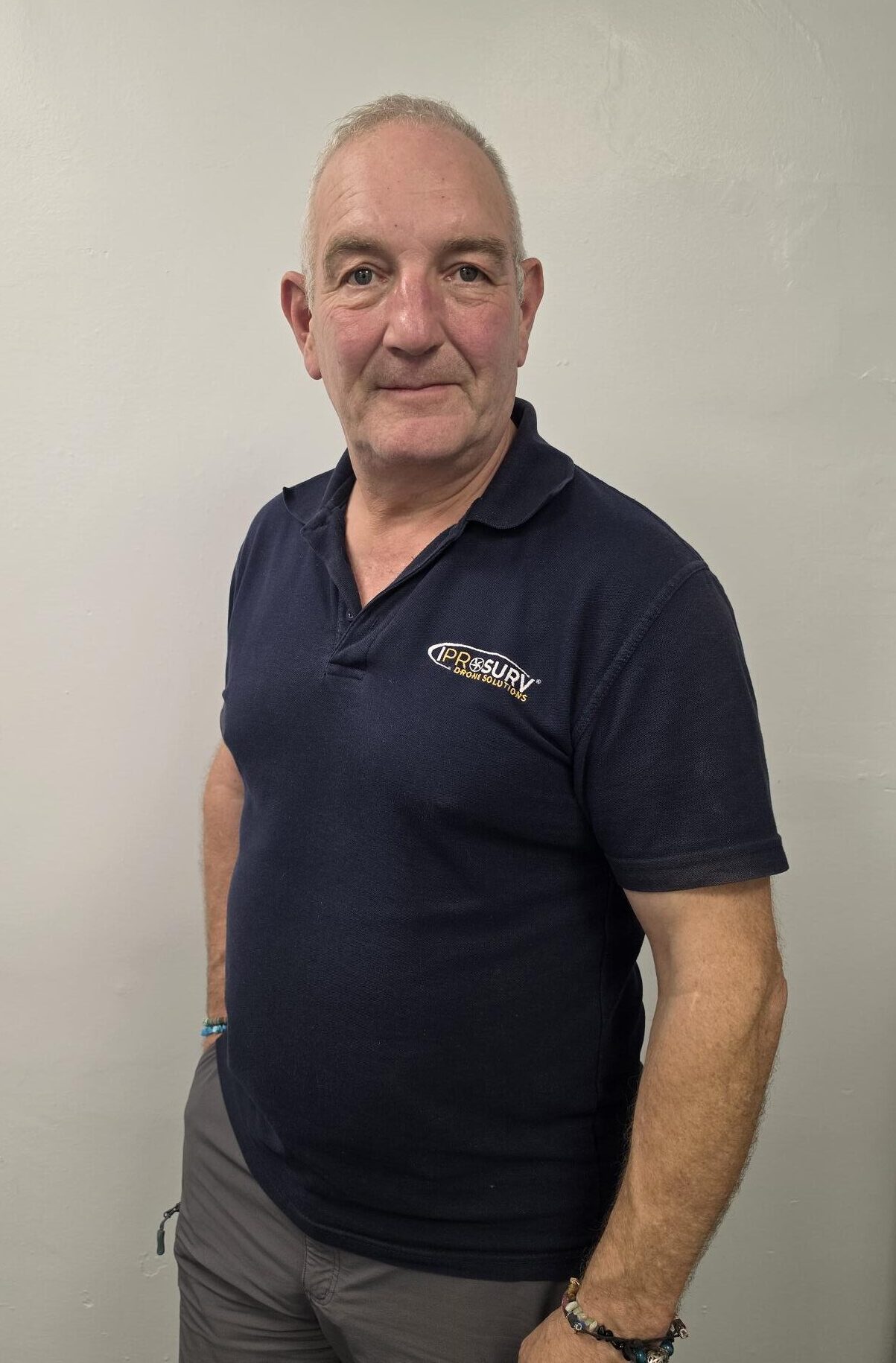
Shane Jones MBE, co-founder and Head of Training at Iprosurv

About the author

Shane Jones MBE

Co-founder, Chief Operating Officer and Head of Training, Iprosurv

Shane works across drone operations, training and technology integration, helping individuals and organisations connect aircraft, sensors and data workflows with practical requirements. His focus is on understanding the problem first, then developing the skills and approach needed to deliver useful results.

Leave a Reply

Your email address will not be published. Required fields are marked *

Fill out this field
Fill out this field
Please enter a valid email address.
You need to agree with the terms to proceed