Construction
“Using Iprosurv in our first project management solution for scoping works and timetables is definitely…
In the last five years, drones have been making their presence felt across the economic landscape from agriculture and architecture to engineering and insurance.
They have been adopted so easily in so many markets because they are a fast, cost effective and safe alternative to traditional methods of working. And have proven themselves to be effortlessly adaptable to any natural or built environment.
Which is why drones are fast becoming an integral element of the often complex, costly and risky world of engineering. Drone technology can assist in everything from crane inspections to internal examinations of tanks and flues.
Iprosurv has been at the forefront of exploring and exploiting these applications on behalf of our clients. There are a huge range of uses for drones in engineering including defect detection, degradation tracking, damage investigation, repair-progress monitoring, evidence collection and loss prevention.
And we are constantly investing in our tech to make sure that our clients are getting the best results possible as we continue to push the boundaries of what is possible. For example, our pilots fly the Elios 2 internal drone which is equipped with both RGB and thermal cameras which allows us to create 3D internal models of the surveyed structure.
In recent years, the United Kingdom has witnessed a remarkable transformation in the realm of engineering and data collection, propelled by the rapid adoption of drones.
These unmanned aerial vehicles, once seen primarily as tools for enthusiasts and hobbyists, have now emerged as revolutionary assets in the domain of accurate data collection.
By seamlessly integrating cutting-edge technology and precise data-driven insights, drones are reshaping the landscape of decision-making processes.
Their pivotal role in revolutionizing asset inspection, particularly within the statutory inspection market for safety and compliance assessments, is positioning them as the vanguards of a new era.
One of the most striking examples lies in the implementation of the Lifting Operations and Lifting Equipment Regulations (LOLER), where drones are set to play an instrumental role in enhancing efficiency, safety, and the overall trajectory of future inspections.
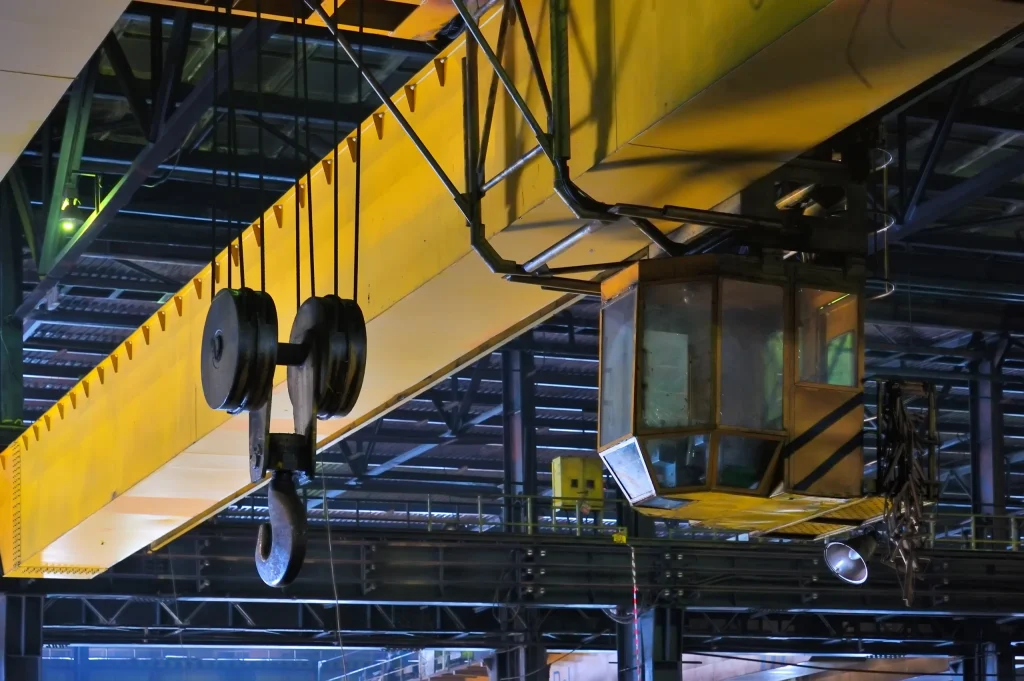
Drones have revolutionized the field of engineering inspections by providing an efficient, cost-effective, and safe way to assess and monitor various structures and systems.
These unmanned aerial vehicles (UAVs) equipped with cameras, sensors, and other specialized equipment are capable of collecting high-resolution imagery, conducting surveys, and capturing valuable data in real-time. Here are some key points about drones in engineering inspections:
Overall, drones offer a number of advantages for engineering inspections. They are safer, faster, more accurate, and more cost-effective than traditional methods.
They can also collect data that would be difficult or impossible to obtain using other methods. As a result, drones are becoming increasingly popular for engineering inspections in a variety of industries.
Incorporating drones into an inspection regime, including LOLER inspections, not only streamlines the process but also improves the accuracy, safety, and overall effectiveness of the inspection efforts, contributing to better maintenance practices and reduced downtime.
Drones can rapidly cover large areas and access difficult-to-reach locations, significantly reducing the time required for inspections compared to traditional manual methods.
By swiftly completing inspections, drones help minimize the downtime of assets such as machinery, equipment, and structures, ensuring they can return to productive use sooner.
Inspecting potentially hazardous or hard-to-reach areas remotely with drones eliminates the need for inspectors to expose themselves to risky environments, enhancing safety for personnel.
Drone inspections can lead to cost savings by decreasing the need for scaffolding, cranes, and other equipment necessary for traditional inspections, as well as reducing labor costs.
High-resolution imagery and video captured by drones provide detailed visuals that inspectors can review in-depth, potentially identifying issues that might be missed through traditional inspections.
Drones equipped with specialized sensors can gather accurate data, measurements, and measurements, improving the precision of inspection results.
Drone inspections can create a historical record of assets over time, allowing inspectors to track changes, identify trends, and assess the effectiveness of maintenance efforts.
Traditional inspections often require shutting down operations during the inspection process. Drones can inspect assets while they’re still in operation, minimizing disruption to regular business activities.
Drones can be operated remotely, making them suitable for inspecting assets in remote or challenging locations, including offshore structures, tall buildings, and remote industrial sites.
Inspection data collected by drones can be stored digitally and analyzed using various software tools, enabling more efficient reporting, documentation, and sharing of findings with relevant stakeholders.
Tell us about your project and we will come back to you with a quote.
We can train your team and supply the equipment.