Construction
“Using Iprosurv in our first project management solution for scoping works and timetables is definitely…
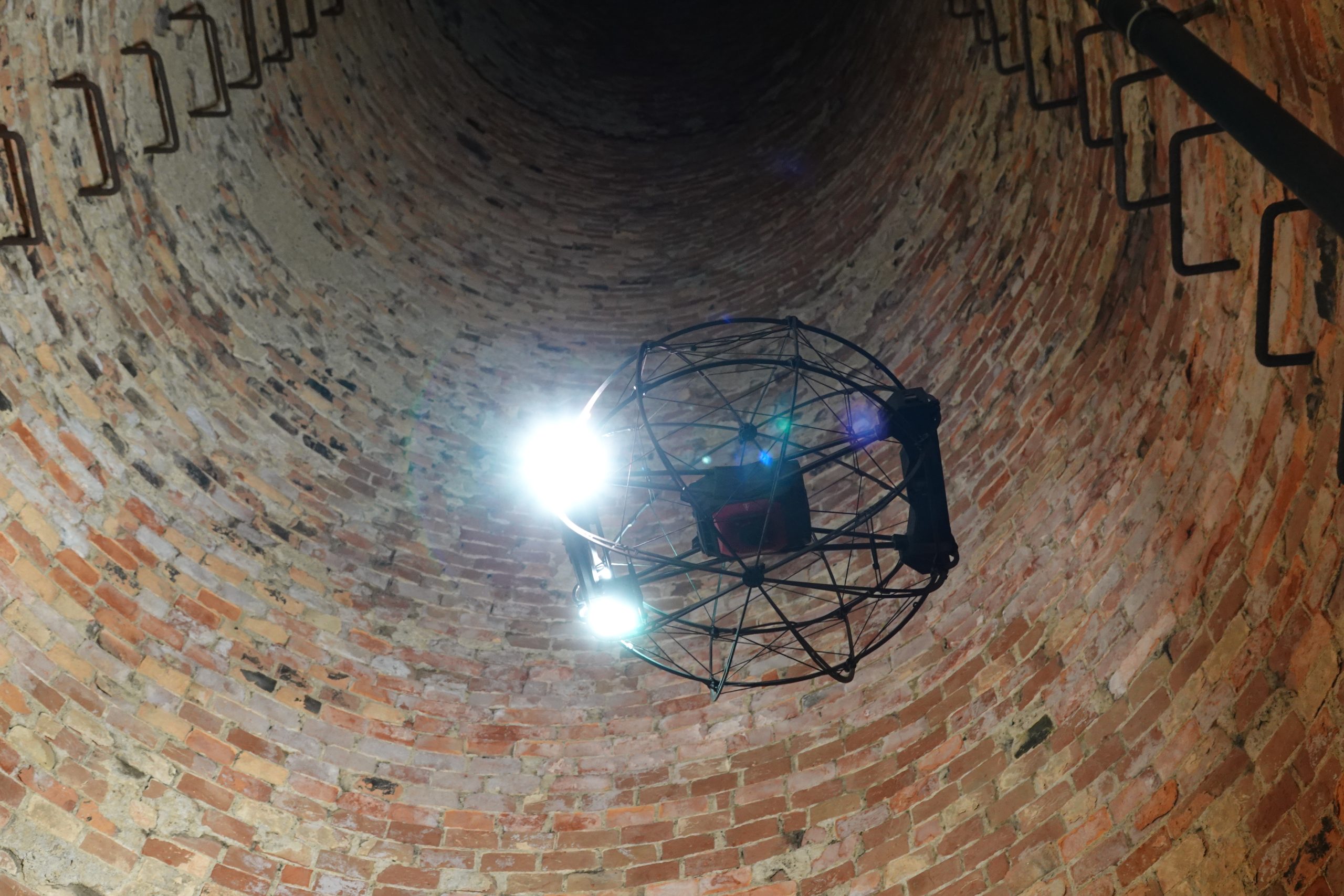
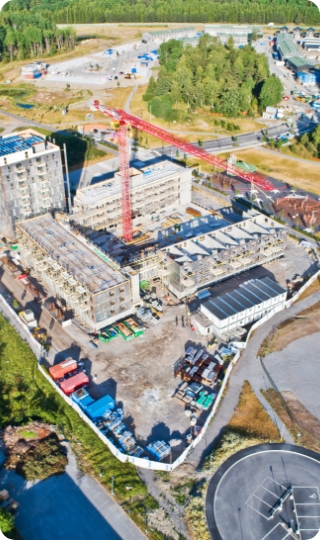
Regular building inspections allow you to monitor the condition of assets over time and carry out preventative maintenance. Drones easily measure distances, areas and volumes in a fraction of the time it would take using traditional surveying methods. They can access high-risk areas and squeeze into locations that a human crew would find too difficult to reach.
Our survey drones can be equipped with multiple cameras, including state-of-the-art thermal-imaging cameras, for in-depth inspection of areas invisible to the human eye. These can help with damp detection, post-flood assessment, structural problems, component failure, and energy and heat loss. Post-inspection analysis is also possible for desktop surveys and spot-temperature anomalies.
These allow us to collate data to produce accurate surveys, 3D models and maps. These models can be shared with customers, collaborators and stakeholders, giving them a 360-degree perspective on a project and allowing them to explore a site remotely.
In the ever-evolving landscape of technological innovation, the United Kingdom has emerged as a trailblazer in the adoption of drones, ushering in a transformative era for accurate data collection within the realms of facilities management and large-scale commercial property portfolios.
These unmanned aerial vehicles have swiftly woven themselves into the fabric of modern asset inspections, revolutionizing traditional paradigms by providing unparalleled insights.
With an unparalleled ability to capture intricate details from vantage points once deemed inaccessible, drones have become indispensable tools in comprehending defect dilapidation, tenant post and pre-occupancy evaluations, and data-driven decision-making.
As the momentum of this technological evolution surges forward, it becomes increasingly evident that drones are not just catalysts for change; they are the very foundation upon which the future of asset inspections will be built.
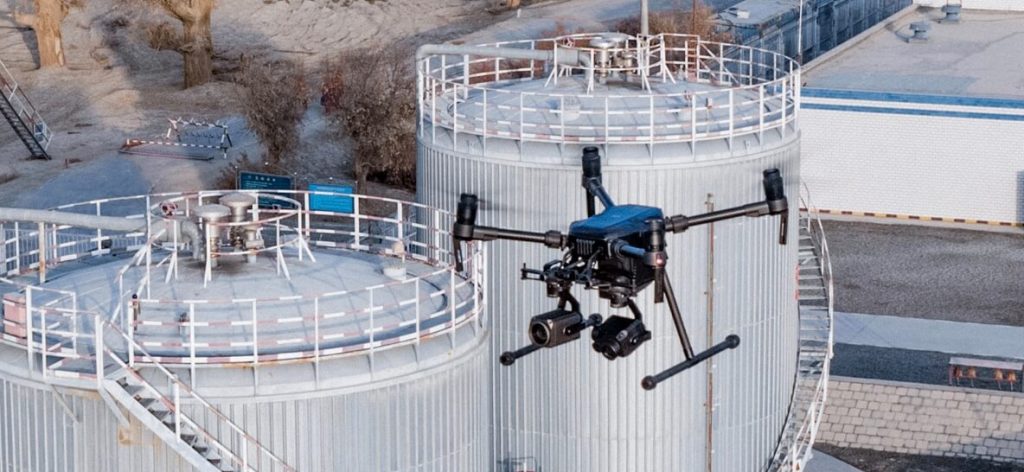
With the rapid advancement of technology and the integration of sophisticated software-driven AI solutions, the utilization of drones is poised to experience exponential growth.
These autonomous aerial systems are expected to become the standard for facilities and asset management.
By combining cutting-edge hardware and AI-driven algorithms, drones offer unparalleled efficiency and precision in tasks such as surveillance, maintenance, and data collection.
As these technologies continue to evolve, the seamless coordination of drones with AI software will revolutionize industries, allowing for real-time data analysis, predictive maintenance, and cost-effective operations, ultimately reshaping the landscape of facilities and asset management.
When integrated into a repeatable inspection regime, these advantages collectively enhance the overall efficiency, effectiveness, and cost management of facilities management and asset inspection for large commercial property portfolios.
Drones can quickly cover large areas, reducing the time and resources required for manual inspections. This is especially valuable for large commercial property portfolios where timely inspections are essential.
Drones can significantly reduce labour and equipment costs associated with traditional inspection methods. Fewer personnel and equipment are needed to inspect properties, leading to cost savings over time.
Inspecting large and complex structures can pose risks to human inspectors. Drones eliminate the need for personnel to access hazardous areas, enhancing overall safety and minimizing the potential for accidents.
Drones equipped with advanced cameras and sensors can capture high-resolution imagery and accurate data. This improves the quality of inspection reports, helping facility managers make informed decisions.
Drones provide detailed visual data that can be used for thorough pre and post-tenancy inspections. This documentation helps landlords and tenants avoid disputes over property condition and maintenance.
Drones enable more frequent and consistent inspections, leading to the detection of potential issues at an early stage. This proactive approach can prevent costly repairs and minimize downtime.
Drones can access hard-to-reach areas, such as roofs and upper building exteriors, without requiring scaffolding or other access equipment. This is particularly beneficial for tall or architecturally complex structures.
Drones have a smaller carbon footprint compared to traditional inspection methods involving heavy machinery or multiple site visits. This aligns with sustainability goals and reduces environmental impact.
The data collected by drones can be stored digitally and analyzed using specialized software. This enables facility managers to track changes over time, identify patterns, and optimize maintenance strategies.
Drones facilitate the creation of comprehensive inspection reports with visual evidence. This documentation is valuable for compliance purposes, regulatory audits, and insurance claims.
Tell us about your project and we will come back to you with a quote.
We can train your team and supply the equipment.