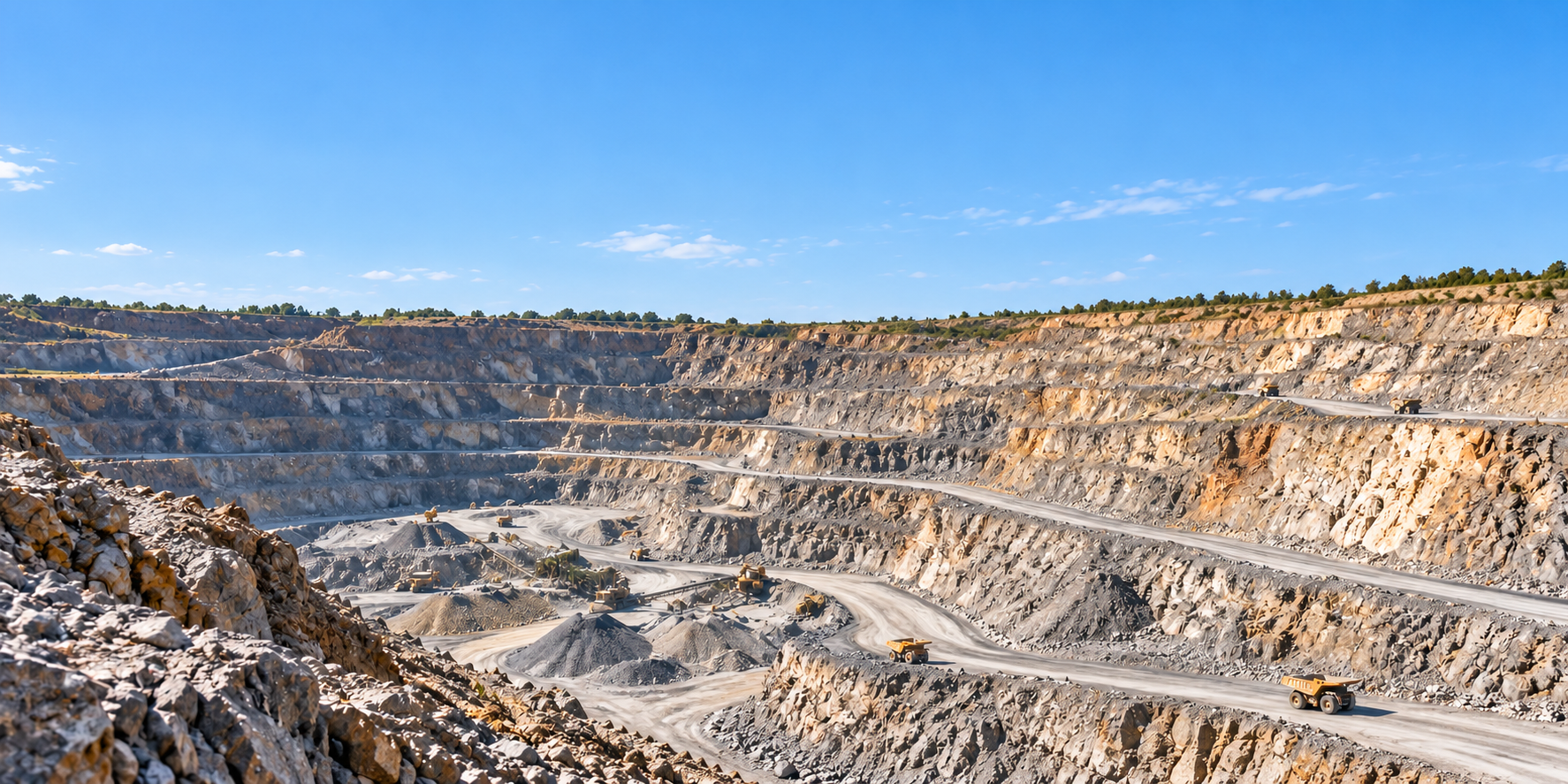
Quarry & Mine Site Mapping
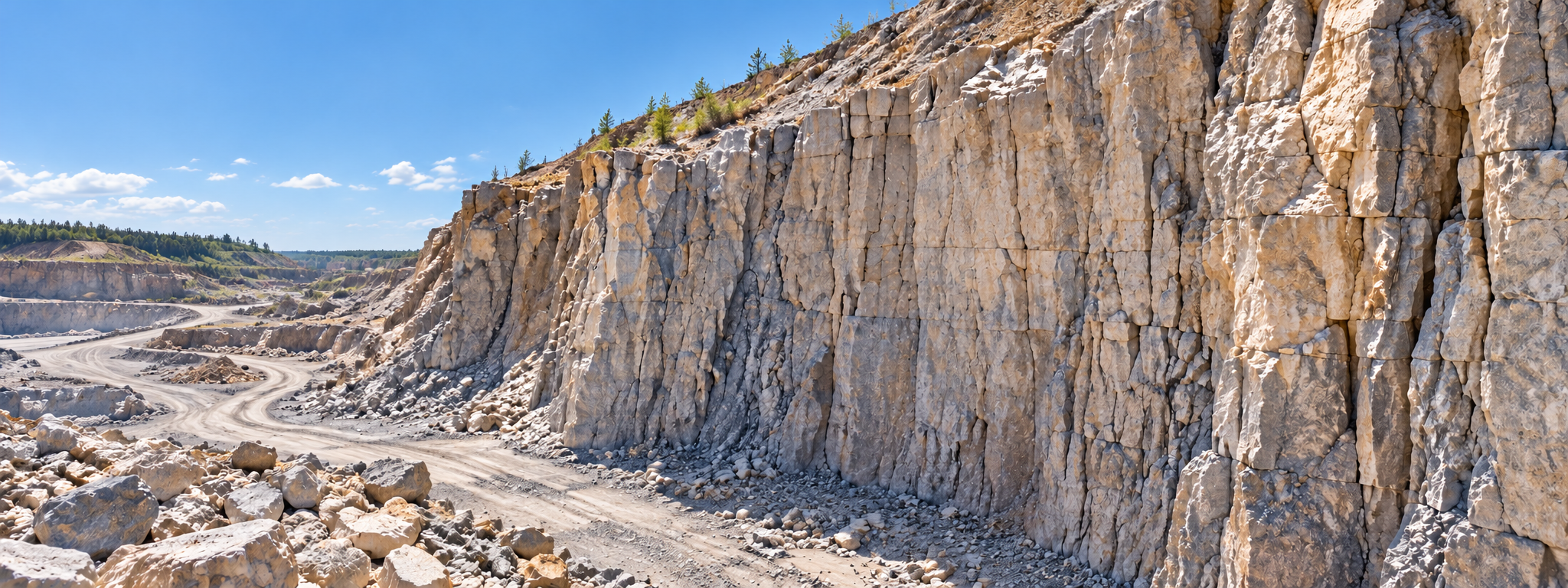
Mining, Quarrying & Confined Spaces | Site Mapping A clearer picture of your quarry, from…
|
The Challenge
Critical inspections in difficult and potentially hazardous environments.
|
Questions That Matter
Can personnel entry be reduced?
Evaluate whether an inspection drone can collect sufficient initial visual information without entering the space.
What condition are the internal surfaces in?
Document accessible corrosion, coating deterioration, deposits, physical damage and structural features.
Can difficult access be avoided?
Identify whether some initial observations can be gathered without scaffolding or elevated access arrangements.
Where is closer examination required?
Use the inspection evidence to help engineering teams prioritise physical access, testing and maintenance. |
Drone Applications
From large storage tanks and industrial vessels to silos, chambers and elevated structures, suitable inspection drones can provide information from areas that may otherwise require challenging physical access.
|
01 / Storage Infrastructure
Industrial Storage TanksDocument accessible internal tank walls, roofs, supports, coatings and visible deterioration in appropriately prepared structures. |
02 / Process Equipment
Vessels & Process ChambersCapture detailed imagery of suitable isolated process vessels, chambers and associated internal components to support engineering assessment. |
|
03 / Bulk Materials
Silos, Hoppers & BunkersInspect accessible internal walls, supporting members, deposits and structural features, provided material movement and engulfment hazards are controlled. |
04 / Industrial Processing
Kilns, Furnaces & Industrial ChambersInspect suitable cooled and isolated process enclosures for visible lining damage, deterioration, deposits and areas requiring further assessment. |
|
05 / Vertical Structures
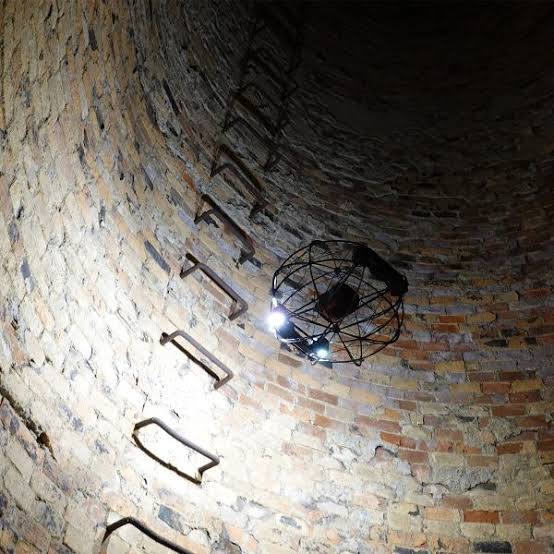
Chimneys, Stacks & FluesSpecialist inspection drones can assist with visual surveys of suitable industrial chimneys, stacks and internal flues, documenting accessible linings, joints and structural features. |
06 / Elevated Features
High-Level Internal StructuresObtain visual information from accessible elevated beams, roof structures, supports and components that may otherwise require additional access equipment. |
|
07 / Digital Records
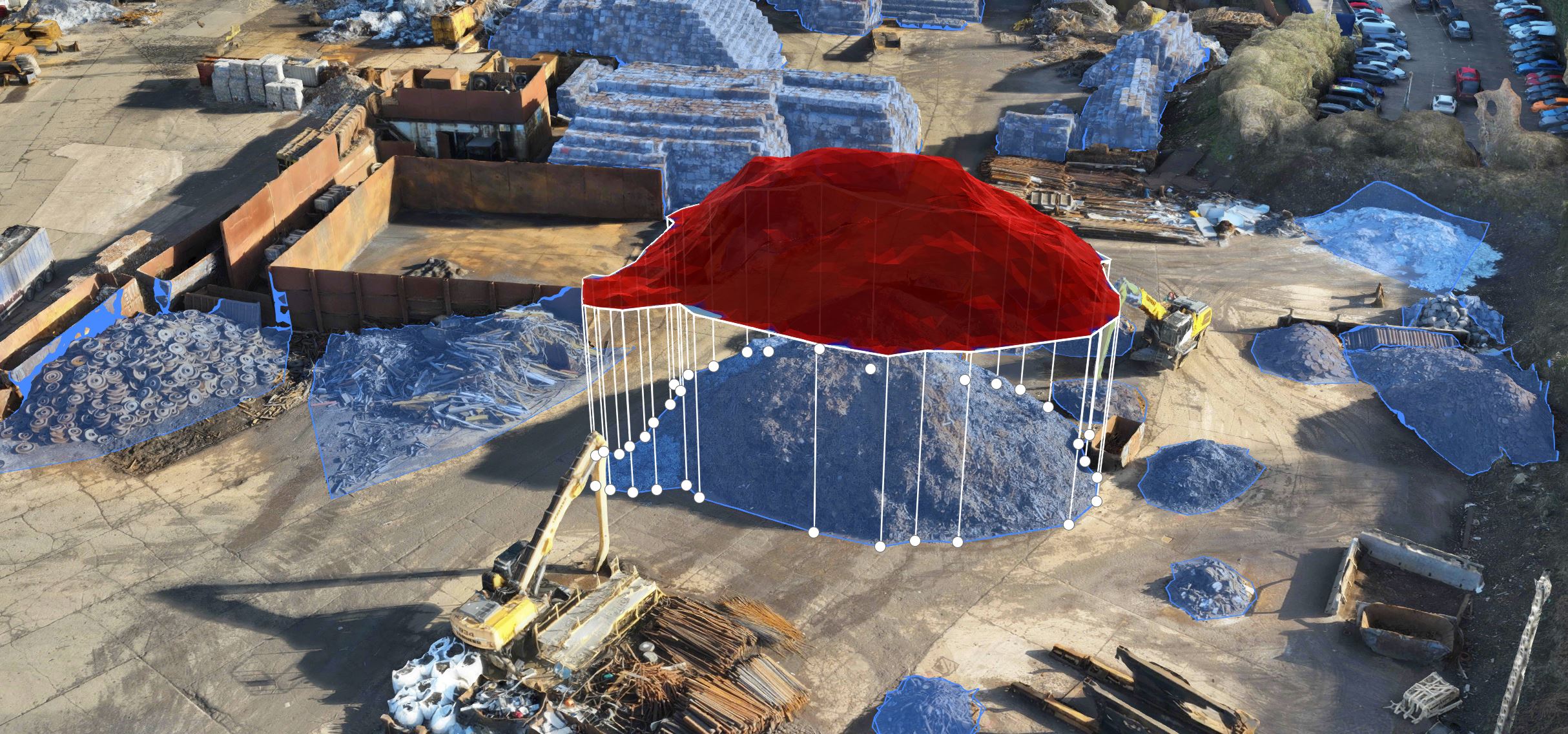
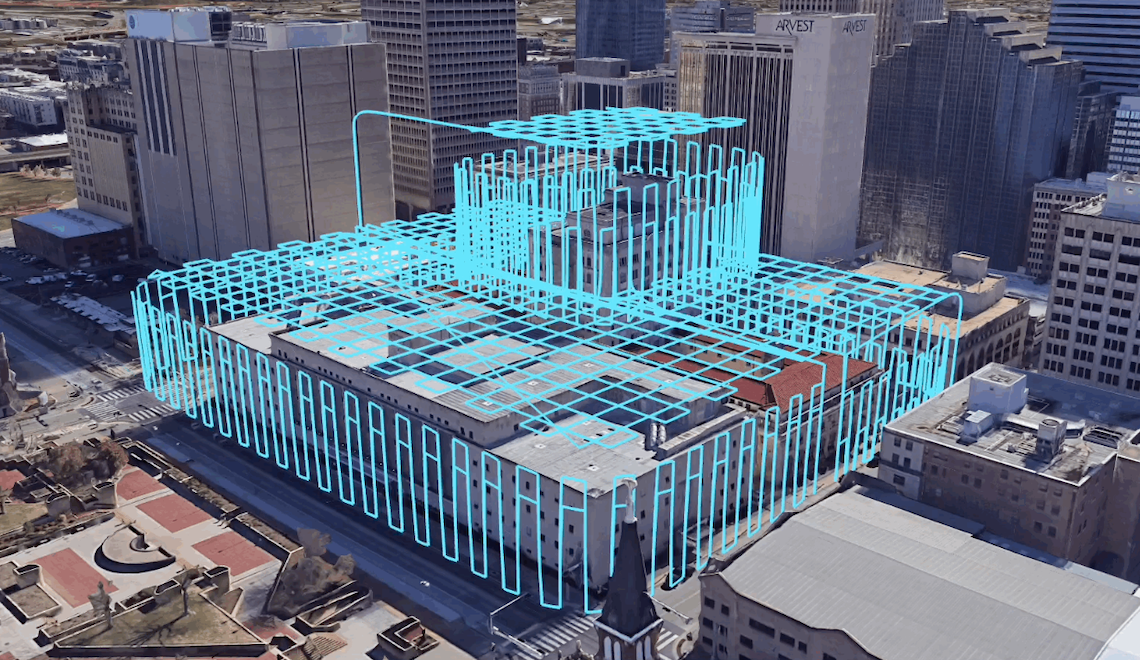
Internal Mapping & DocumentationWhere supported by the selected drone and environment, collect spatial data or organised imagery for condition records and internal asset documentation. |
08 / Asset Management
Repeat Inspections & Defect RecordsMaintain dated imagery and documented observations to support engineering review, planned maintenance and comparisons between inspections. |
From Planning to Inspection Evidence
A successful internal inspection requires a suitable aircraft, competent operators, an understanding of the asset and a safe, documented inspection method.
|
01. Assess & Prepare
Review the asset, hazards, entry points, operating conditions, isolation requirements and equipment suitability. |
02. Inspect & Capture
Deploy an appropriate system to document accessible surfaces, internal structures and areas of concern. |
03. Review & Report
Organise imagery and observations for engineering review and decisions about further inspection or maintenance. |
|
Technology in Action
Why conventional drones are not always suitable for internal inspections.
|
Inspection Technology Explained
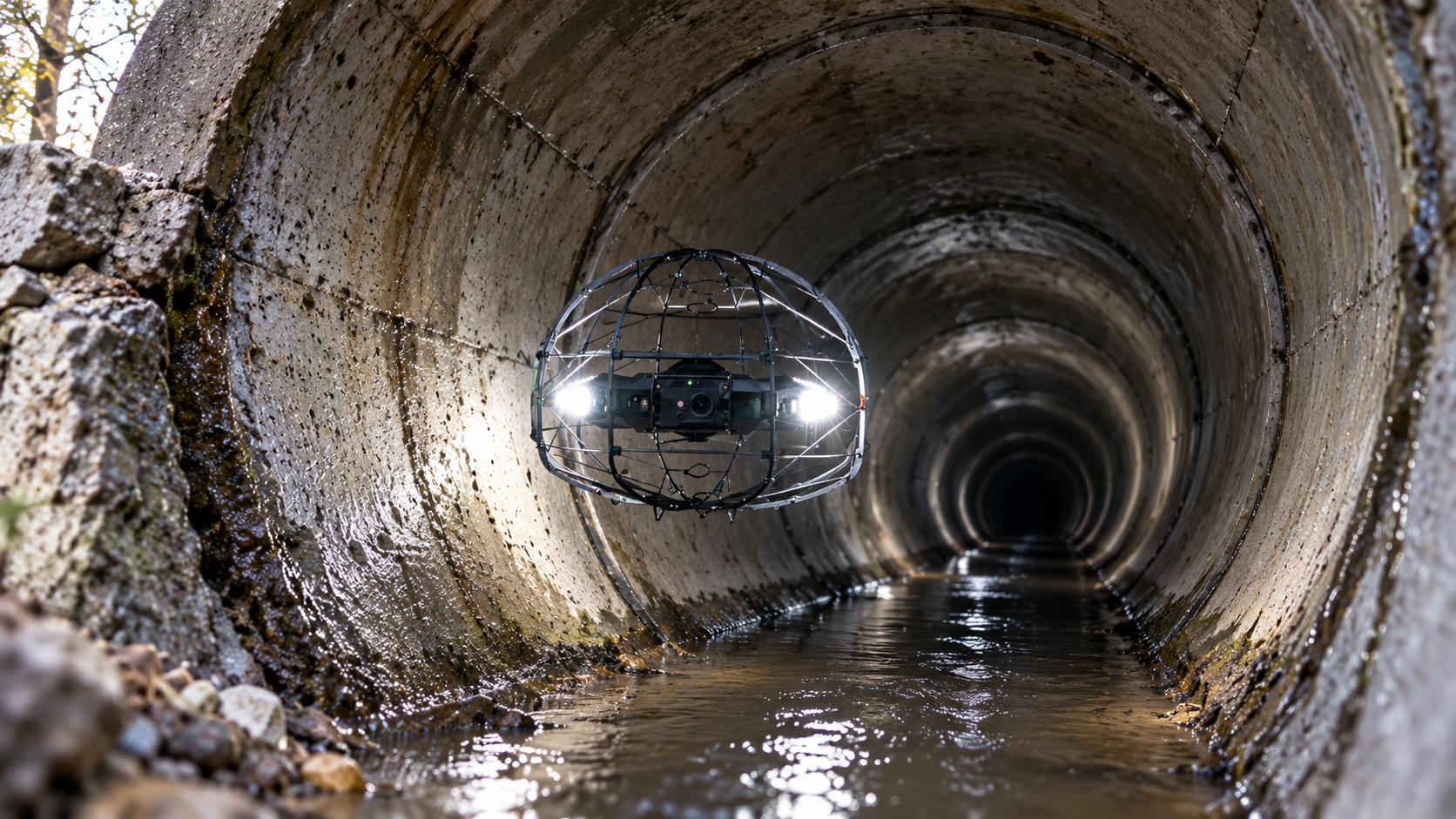
Protected Airframe
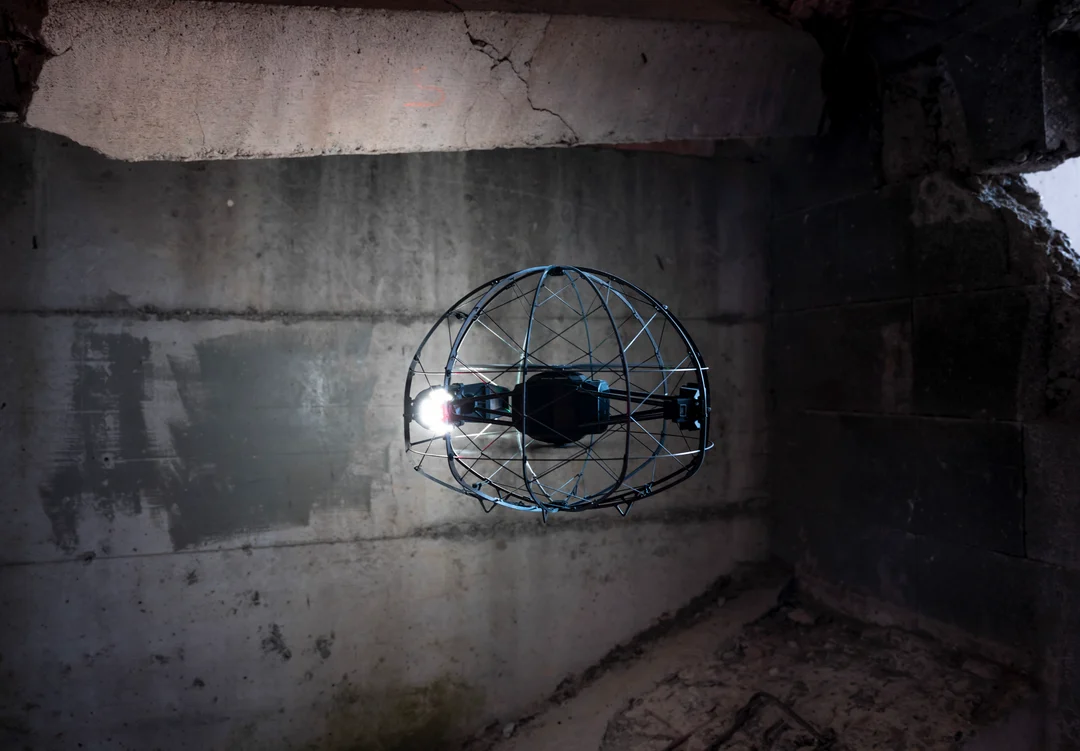
Helps manage incidental contact with suitable internal surfaces.
Indoor Flight Control
Designed to support operation in challenging GPS-denied environments.
Integrated Lighting
Provides illumination for inspection of internal structures and surfaces.
High-Resolution Imaging
Captures visual evidence of deterioration, damage and structural features.
Optional Spatial Mapping
Selected systems can support spatial documentation of suitable enclosed assets. |
Specialist Inspection Equipment
Specialist internal inspection platforms are designed to support work in enclosed structures, where collision protection, suitable navigation, lighting and reliable communications are important.
Choosing the right system:
Collision tolerance, inspection camera performance, lighting, navigation, communications and physical size all influence suitability. No single platform is appropriate for every confined-space application. Drone-based solutions should be compared with conventional methods and other robotic inspection systems where necessary.
Why It Matters
Remote internal inspection can support safer and more efficient asset management when the environment and inspection objectives are suitable.
Reduce Personnel ExposureSuitable drone inspections may reduce the need for personnel to enter difficult or potentially hazardous environments for initial visual assessments. |
Improve Maintenance PlanningInspection imagery helps identify areas where closer testing, cleaning, physical examination or repair activities may be required. |
Maintain Useful Digital RecordsOrganised photographs, observations and suitable spatial data support engineering review, maintenance planning and future comparisons. |
|
Planning Internal Drone Inspections
Start with the asset, the hazards and what you need to know.
|
Planning Considerations Is your asset suitable for drone inspection?
What type of asset is involved?
Tank, vessel, silo, chimney, process chamber or another enclosed structure.
Can the environment be made suitable?
Review hazardous substances, isolation, temperature, stored energy and atmospheric conditions.
Can the drone access the required areas?
Assess entry dimensions, geometry, obstacles, lighting and signal availability.
What evidence is required?
Define inspection photographs, asset references, spatial records and reporting detail.
Who will interpret the findings?
Confirm responsibility for specialist assessment, follow-up inspection and maintenance decisions. |
Whatever you need drones to do, there are three ways to work with Iprosurv.
Our pilots carry out the survey or inspection and deliver the data and reports you need.
Accredited courses that give you and your team the skills to fly safely and legally.
The drones, sensors and software to run your own operations, with expert advice.
Tell us what you are trying to achieve and we will recommend the right service, training or equipment.