Bridges & Civil Infrastructure Inspections
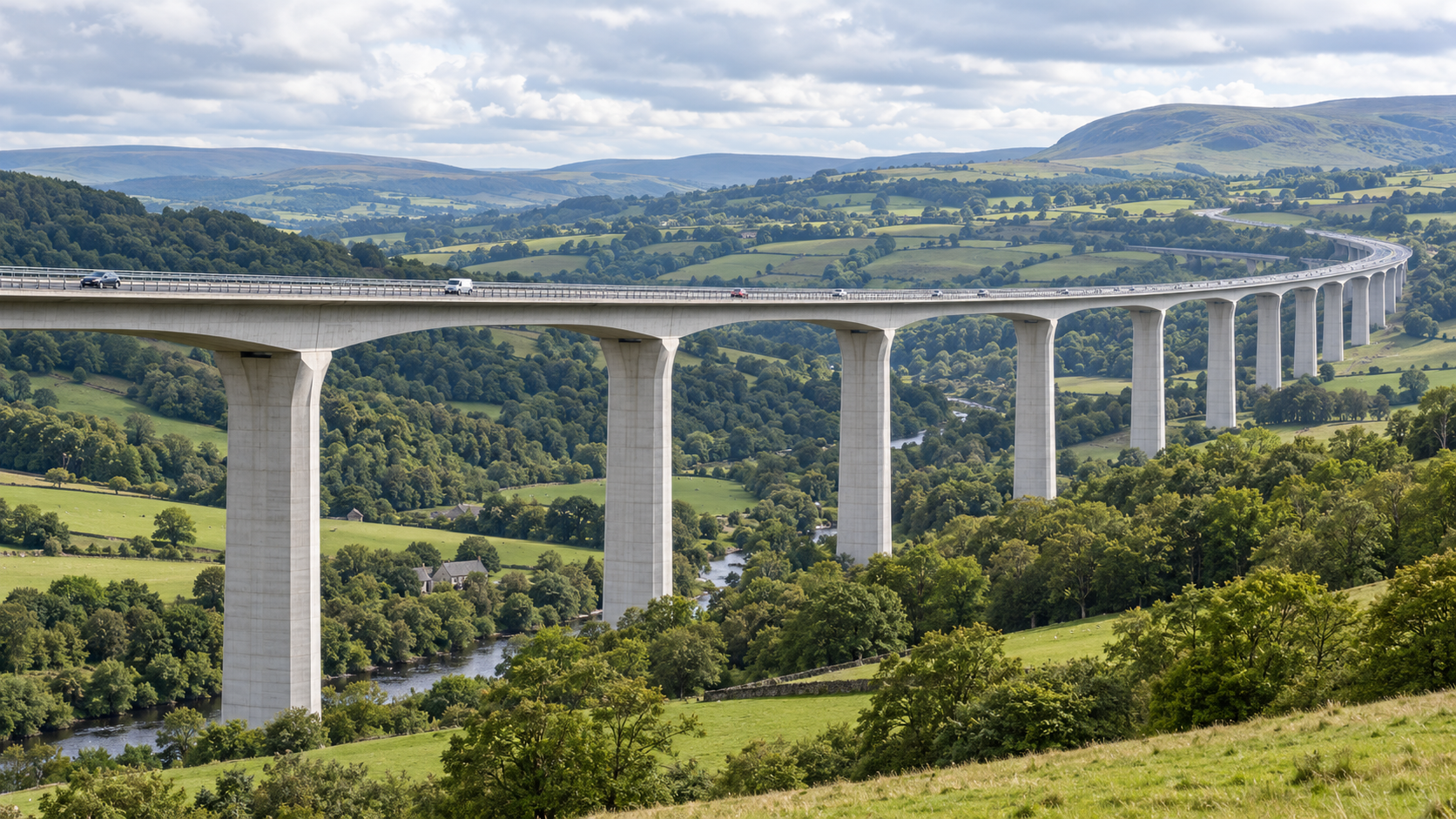
Infrastructure & Utilities | Bridges & Civil Infrastructure Inspecting the structures that keep Britain connected.…
|
The Challenge
Critical infrastructure that is difficult to see, access and assess.
|
Questions That Matter
Is the structure visibly deteriorating?
Document accessible cracking, joint movement, exposed reinforcement and surface deterioration.
Are blockages affecting the passage?
Identify visible debris, sediment accumulation and other obstructions.
Can personnel entry be reduced?
Evaluate whether a suitable remote system can collect the necessary initial information.
Where should maintenance be prioritised?
Use documented conditions to inform cleaning, repairs and further specialist assessment. |
Drone & Remote Inspection Applications
From large culverts and drainage tunnels to access chambers and underground structures, the appropriate inspection method depends on the environment and the information required.
|
01 / Drainage Infrastructure
Culvert InspectionsDocument internal surfaces, joints, visible cracking, erosion, sediment and obstructions within suitably accessible road, rail and watercourse culverts. |
02 / Wastewater Infrastructure
Large-Diameter Sewer InspectionsCollect visual evidence within suitable sewer structures, taking account of flow conditions, access dimensions, atmospheric hazards and equipment limitations. |
|
03 / Underground Structures
Tunnels & Underground PassagesExamine accessible linings, walls, soffits, structural supports and other visible features within suitable service tunnels and underground passages. |
04 / Access Structures
Chambers, Shafts & ManholesObtain visual records from appropriate vertical shafts and access chambers, reducing the need for some preliminary physical entry. |
|
05 / Structural Condition
Cracks, Joints & Surface DeteriorationCapture accessible visible defects, including cracking, displaced joints, exposed reinforcement, lining damage and potential water ingress. |
06 / Water Management
Outfalls & Drainage ConnectionsDocument accessible outfalls, culvert entrances, drainage connections and discharge structures to support condition assessment. |
|
07 / Spatial Information
Internal Mapping & 3D RecordsWhere supported by the selected system, collect spatial information or organised imagery to document underground geometry and accessible features. |
08 / Asset Management
Repeat Condition InspectionsDevelop dated visual records that support comparisons between inspections and help identify changes requiring engineering attention. |
From Access Planning to Asset Evidence
Effective underground inspections begin by understanding access restrictions, flow conditions, atmospheric hazards and the required level of information.
|
01. Assess & Prepare
Review access dimensions, atmospheric hazards, water flow, isolation, communications and recovery arrangements. |
02. Inspect & Capture
Use a suitable drone, crawler or camera system to document accessible surfaces and visible conditions. |
03. Review & Report
Organise collected evidence for engineering review, asset management and further maintenance planning. |
|
Technology in Action
Flying drones, robotic crawlers and inspection cameras each have their place.
|
Inspection Technology Explained
Collision-Tolerant Drones
Remote visual inspection in sufficiently spacious and suitable underground structures.
Robotic Crawlers
Ground-based inspections for pipework and appropriately sized sewer systems.
Inspection Lighting
Illumination of underground surfaces and structural details.
High-Resolution Cameras
Visual documentation of accessible defects and obstructions.
Spatial Mapping
Optional geometric and digital asset records from suitable specialist systems. |
Specialist Inspection Technology
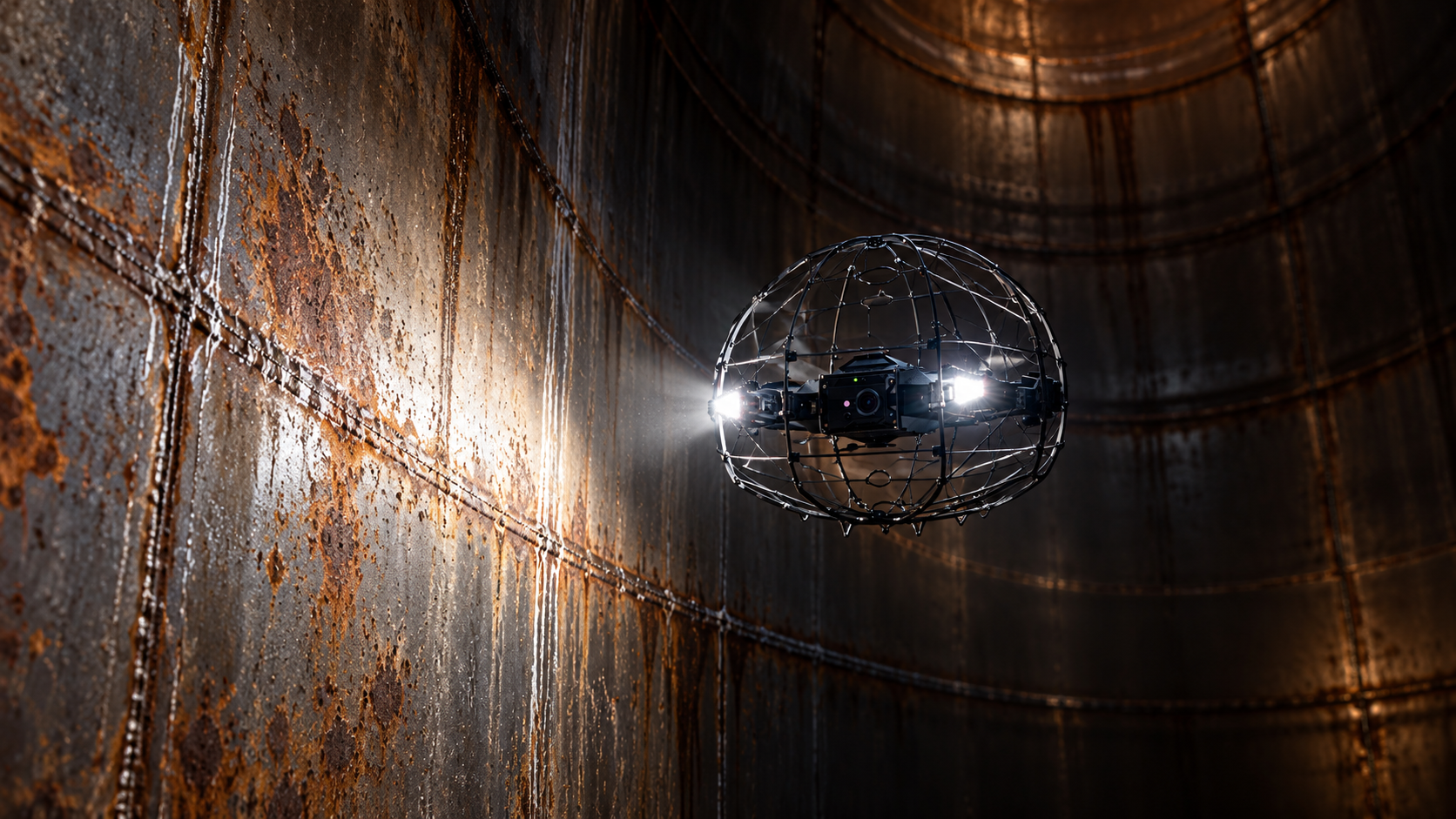
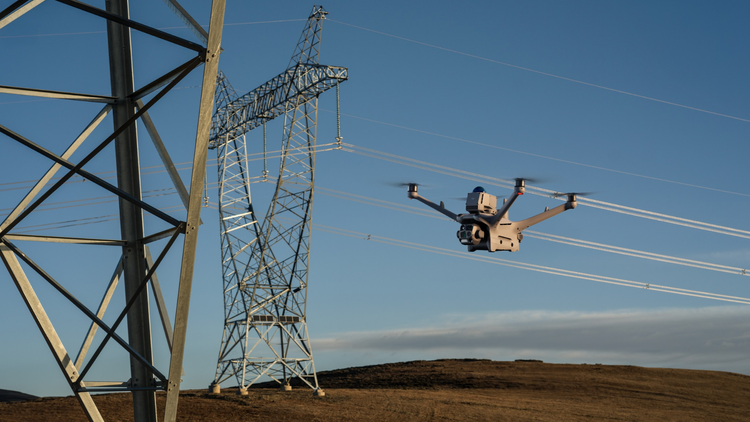
Collision-tolerant systems such as the Flybotix ASIO X illustrate how specialist inspection technology can access suitable confined structures, subject to environmental and operational assessment.
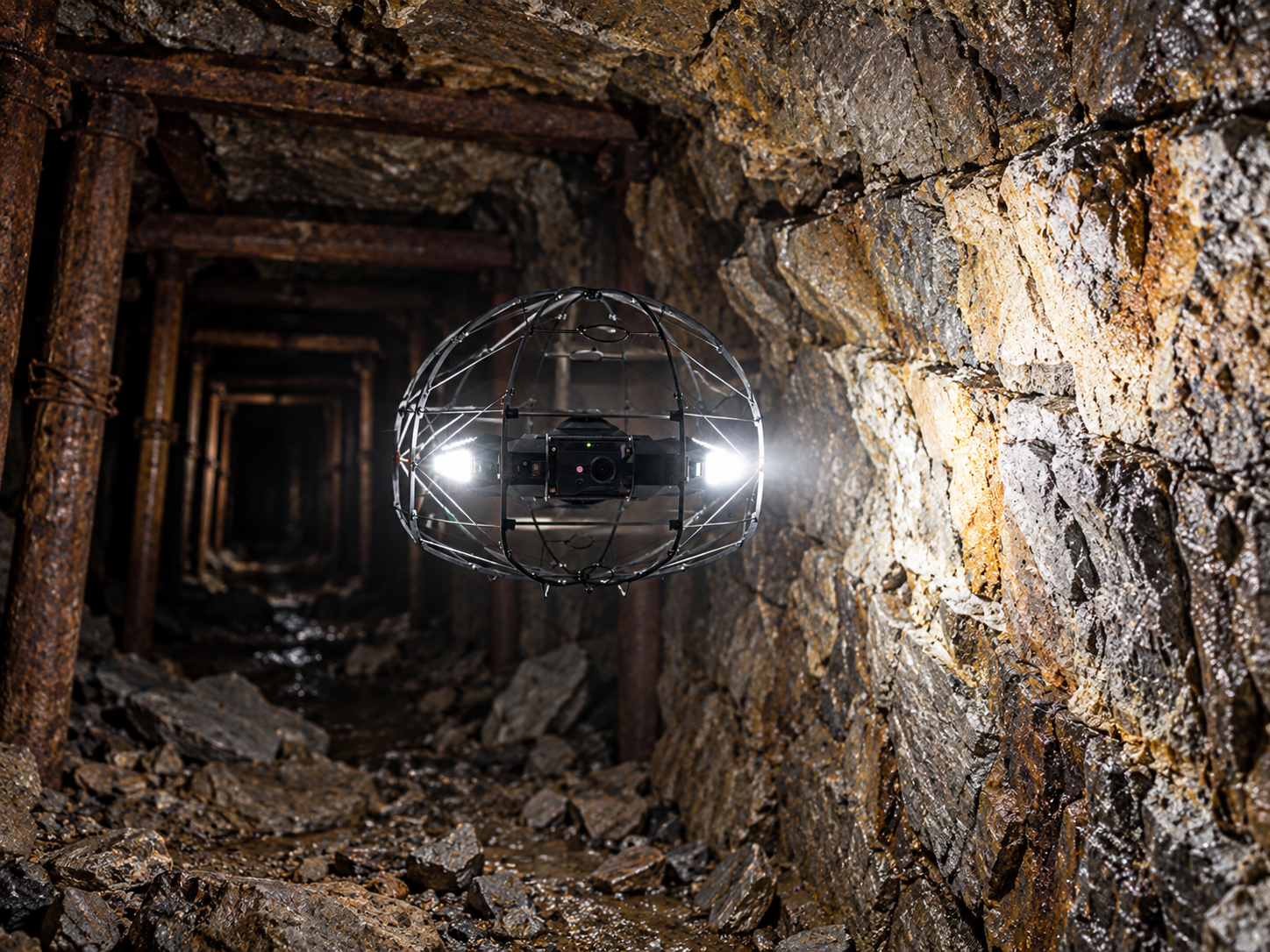
Underground Structural Inspection Specialist drones can document accessible surfaces, structural supports and visible deterioration within suitably sized tunnels and underground passages. |
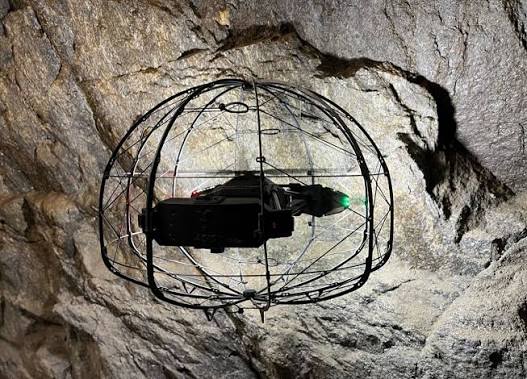
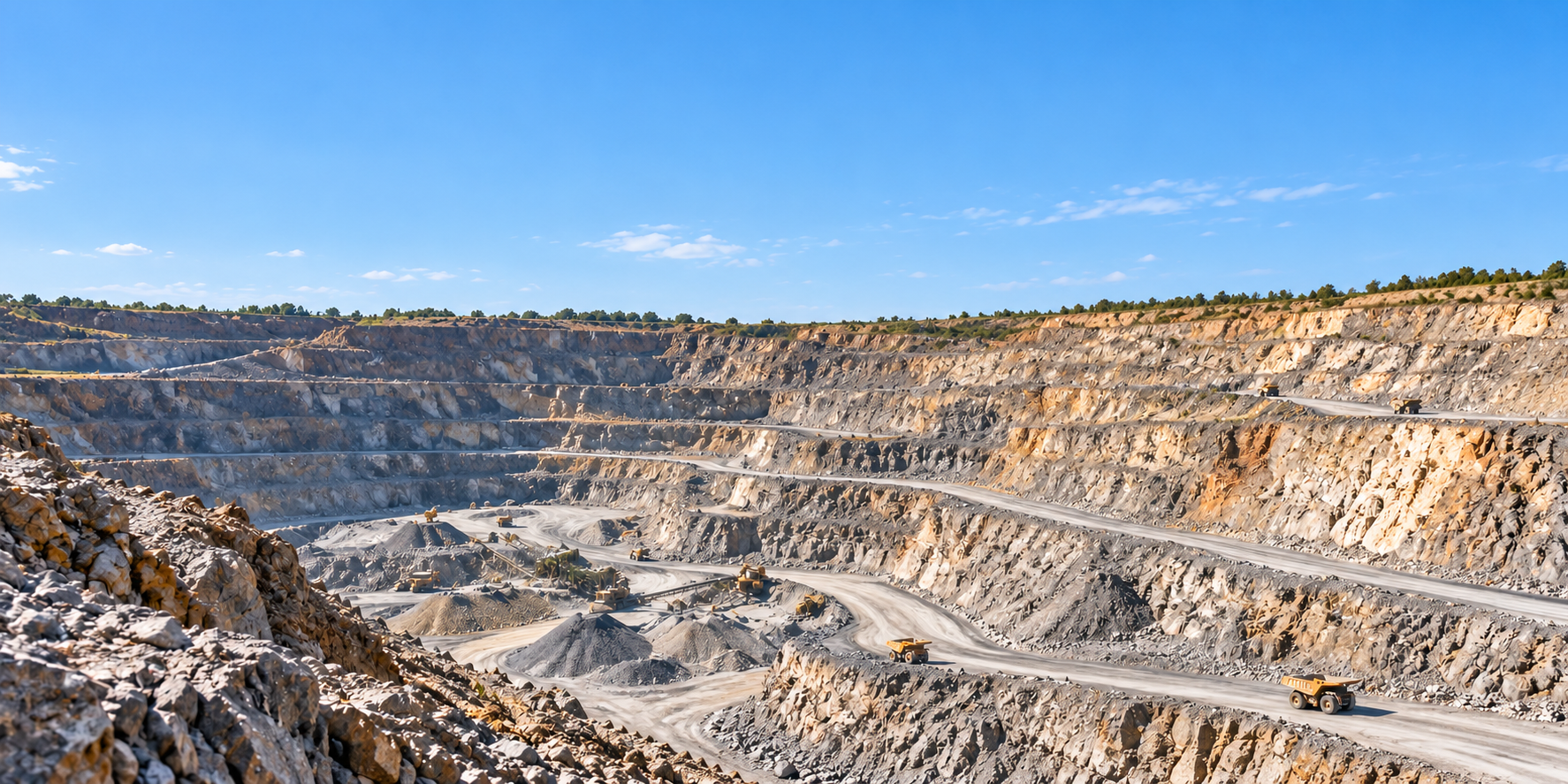
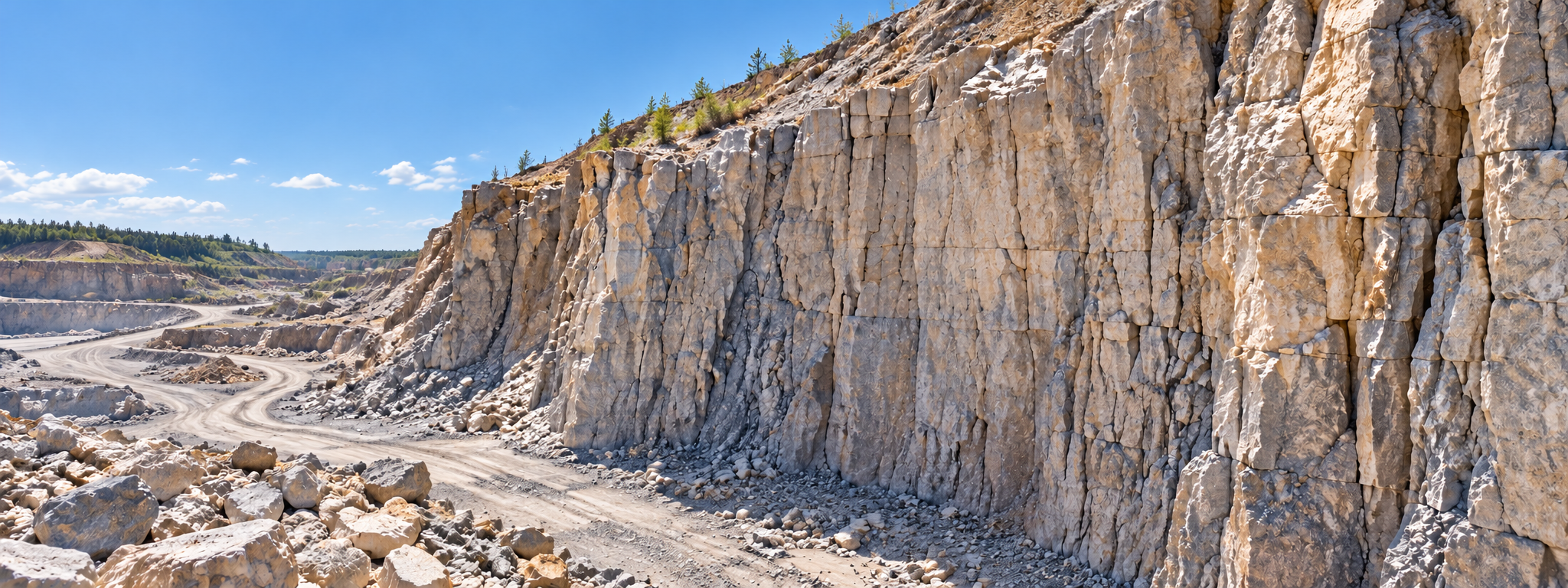
Restricted Underground Access Purpose-designed systems may help inspect accessible rock faces, cavities and structures that would otherwise require more challenging access arrangements. |
Equipment selection matters:
Flight space, access openings, lighting, communications, water, atmospheric conditions and recovery arrangements determine whether a drone is suitable. A collision-tolerant design does not make a system appropriate for every underground environment.
Safety & Operational Suitability
Remote technology may reduce the need for personnel to enter certain structures, but underground environments can remain hazardous even when inspection operators work from outside.
|
01 / Atmosphere
Gas & Oxygen HazardsUnderground structures may contain toxic gases, oxygen-deficient conditions or potentially flammable atmospheres requiring suitable controls. |
02 / Water Conditions
Flow, Rainfall & FloodingChanging weather, rising water and unexpected flow increases can affect access, inspection feasibility and safe recovery. |
03 / Recovery
Communications & RetrievalLong passages and underground geometry can affect communication links. Contingency and equipment-recovery plans are essential. |
Critical safety consideration:
Collision-tolerant drones are not automatically suitable for explosive atmospheres. Any applicable hazardous-area classification, ATEX equipment requirements, atmospheric testing, isolation and confined-space procedures must be considered. Recovery arrangements must not rely on unplanned personnel entry into a hazardous structure.
Why It Matters
Suitable remote inspection methods can give infrastructure owners useful visual information while reducing some of the difficulties associated with restricted or hazardous access.
Support Safer Access DecisionsInitial remote observations may reduce unnecessary entry and help plan essential physical inspections. |
Focus Maintenance ActivityVisual findings can help identify areas requiring cleaning, repair or further specialist examination. |
Improve Asset RecordsOrganised imagery and suitable spatial information support infrastructure documentation and condition comparisons. |
|
Planning Underground Inspections
Every structure needs the right inspection approach.
|
Planning Considerations What should infrastructure owners consider?
What structure is involved?
Culvert, sewer, tunnel, access shaft, chamber or another underground asset.
What physical restrictions apply?
Consider access dimensions, length, water, debris and internal geometry.
What hazards must be controlled?
Review atmosphere, changing flows, site access and emergency arrangements.
Which technology is suitable?
Compare drones, robotic crawlers, inspection cameras and conventional methods.
How will the results be used?
Agree reporting, engineering review, maintenance decisions and any further survey requirements. |
Whatever you need drones to do, there are three ways to work with Iprosurv.
Our pilots carry out the survey or inspection and deliver the data and reports you need.
Accredited courses that give you and your team the skills to fly safely and legally.
The drones, sensors and software to run your own operations, with expert advice.
Tell us what you are trying to achieve and we will recommend the right service, training or equipment.